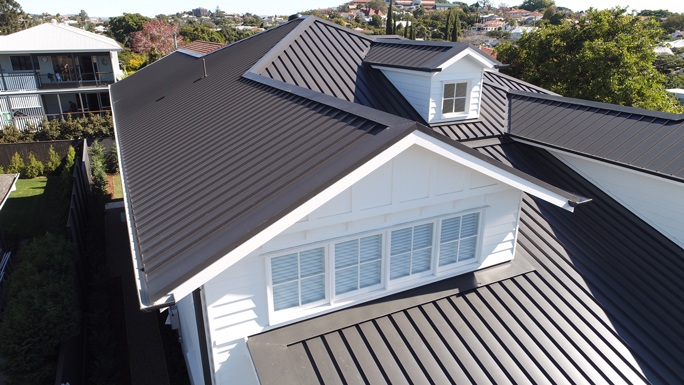
In contemporary roofing systems, the integration of custom flashings has become pivotal in ensuring both durability and functionality. As buildings become more complex and weather patterns increasingly unpredictable, roofing contractors and property owners must prioritize high-quality flashing solutions. This article explores the critical role of custom flashings in modern roofing systems and how they contribute to the overall effectiveness and longevity of roofs.
Custom Flashings: Enhancing Roof Performance
Custom flashings are specially designed components used to seal joints and transitions in roofing systems. Their primary purpose is to prevent water infiltration, which can lead to significant damage and costly repairs. Flashings are typically installed around roof penetrations such as vents, chimneys, skylights, and at roof-to-wall intersections. Custom flashings are tailored to fit the specific dimensions and requirements of each unique roofing structure, ensuring a precise and effective seal.
One of the key benefits of custom flashings is their ability to address the diverse challenges presented by different roof designs and materials. Unlike standard flashings, which may not fit all configurations perfectly, custom flashings are crafted to match the exact specifications of a given project. This bespoke approach minimizes gaps and overlaps, reducing the risk of leaks and enhancing the overall water resistance of the roofing system.
Custom flashings are often made from materials such as aluminum, copper, or galvanized steel, each offering distinct advantages. For example, aluminum flashings are lightweight and resistant to corrosion, making them suitable for a wide range of applications. Copper flashings, on the other hand, provide exceptional durability and a distinctive aesthetic appeal, which can be advantageous for high-end architectural projects.
Roofing Contractors: Expertise in Flashing Installation
The role of roofing contractors is crucial in the effective implementation of custom flashings. These professionals possess the expertise and experience necessary to ensure that flashings are installed correctly and perform as intended. A skilled roofing contractor will assess the specific needs of a roofing system and recommend appropriate custom flashing solutions based on factors such as roof pitch, material compatibility, and local weather conditions.
One of the primary responsibilities of roofing contractors is to ensure that custom flashings are installed with precision. Proper installation is essential for maximizing the effectiveness of flashings and preventing potential issues such as water leaks or structural damage. Roofing contractors use specialized tools and techniques to secure flashings in place, ensuring that they provide a seamless and watertight seal.
Additionally, roofing contractors play a vital role in the maintenance and repair of custom flashings. Over time, wear and tear, extreme weather conditions, and other factors can impact the performance of flashings. Regular inspections and maintenance by a professional contractor can identify potential issues early and address them before they escalate into more significant problems.
The Integration of Custom Flashings in Roofing Systems
Custom flashings are an integral part of modern roofing systems, contributing to their overall effectiveness and longevity. The integration of custom flashings involves careful consideration of various factors, including roof design, material selection, and installation techniques.
One important aspect of integrating custom flashings is ensuring compatibility with the roofing material. Different roofing materials, such as asphalt shingles, metal panels, or tile, may require specific types of flashings to achieve optimal performance. For example, metal roofing systems often use metal flashings, while tile roofs may require flexible flashings that can accommodate the unique shape of the tiles.
Another critical consideration is the placement of flashings in relation to roof penetrations and transitions. Custom flashings must be strategically positioned to address potential weak points where water infiltration is most likely. This includes areas around chimneys, skylights, and vents, as well as at roof-to-wall junctions and other transitions.
Conclusion
Custom flashings play a crucial role in the success of modern roofing systems by providing tailored solutions that address the specific needs of each project. Their ability to enhance water resistance, durability, and overall roof performance makes them an essential component in roofing construction and maintenance. Roofing contractors, with their expertise in flashing installation and maintenance, ensure that custom flashings are integrated effectively and perform to their highest potential. By prioritizing high-quality custom flashings and professional installation, property owners can safeguard their roofs against the elements and ensure long-lasting protection for their buildings.